What's Included in a Framing Quote? Rough Framing vs Finish Carpentry
What a framing contractor's scope actually covers in the GTA: rough framing vs finish carpentry, what's typically in a quote, what's excluded, and the questions to ask so you can compare bids apples to apples.
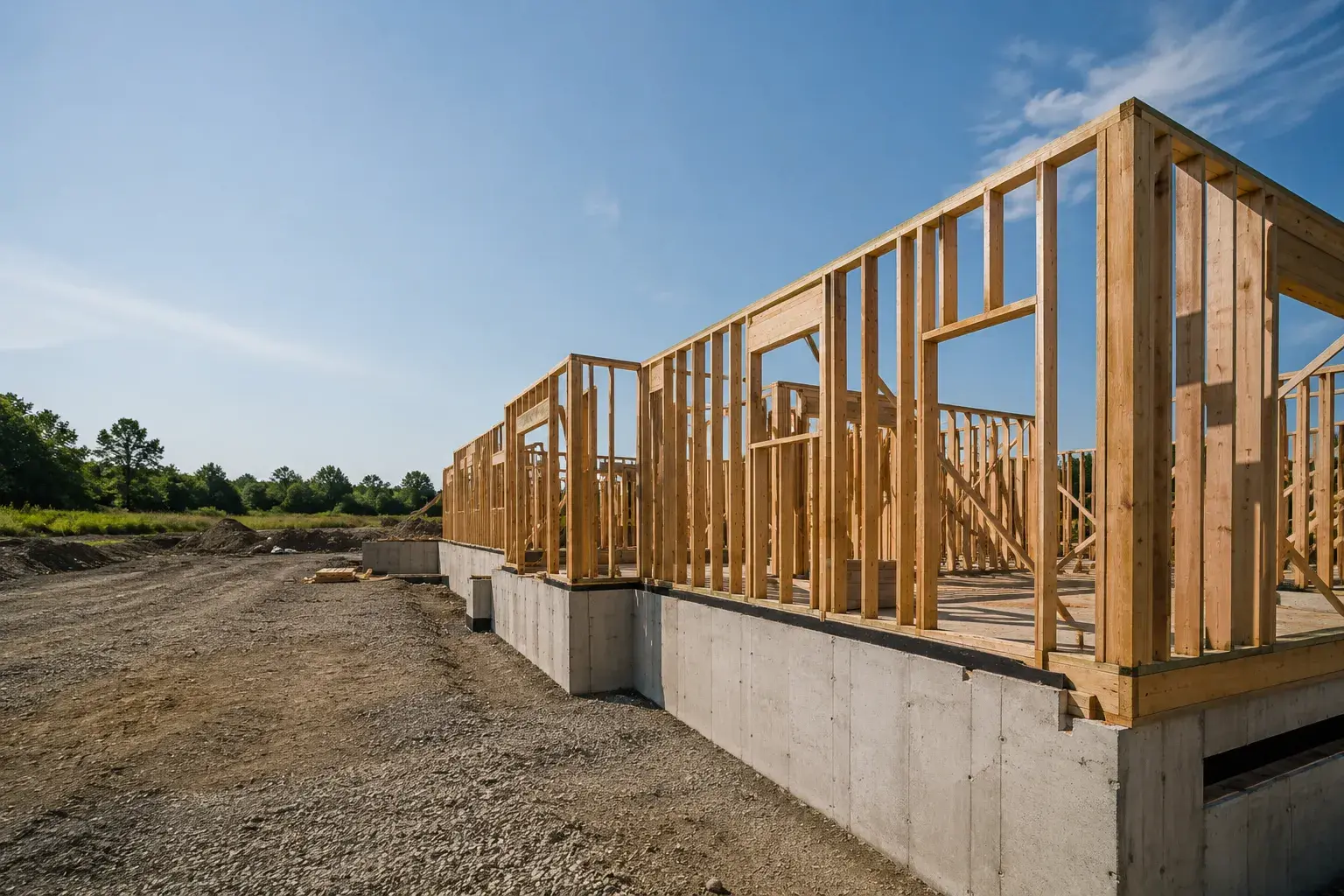
TL;DR: A framing quote normally covers rough framing: the structural skeleton of the building, floors, walls, roof structure, sheathing, and the openings for windows and doors. It usually does not cover finish carpentry (trim, doors, cabinets), and it may or may not include supply of the lumber, engineered materials, and hardware, depending on how the quote is written. Because scope varies between contractors, two framing bids are only comparable once you know exactly what each one includes and excludes. Always get the scope in writing before you compare price.
One of the most common ways GTA homeowners and even experienced GCs get burned on a framing project is comparing two quotes that look different in price but cover completely different work. A cheaper quote is not cheaper if it leaves out the sheathing, the beams, or the material supply. At Timberr Framing we write scope clearly so clients can compare fairly, and this guide explains what framing normally includes, what it does not, and how to read a quote so you are comparing the same job.
Rough Framing vs Finish Carpentry
The single biggest source of confusion is the line between rough framing and finish carpentry. They are different trades and usually different quotes.
- Rough framing is the structural carpentry that forms the building’s skeleton. It is what a framing contractor does: floors, walls, roof structure, beams, and the rough openings that finished windows and doors drop into later. It is called rough because it is hidden behind drywall and finishes; what matters is that it is straight, square, plumb, and structurally correct, not that it looks pretty.
- Finish carpentry is the visible, detailed work that comes near the end of the build: trim and baseboard, interior doors and casing, stair treads and railings, built-ins, and cabinetry. It is a separate trade with different skills and is usually a separate quote.
When you hire a framing contractor, you are almost always buying rough framing. Finish carpentry is typically scoped and priced on its own.
What a Framing Quote Usually Includes
Scope varies, but a typical rough framing quote for a GTA residential project covers the structural carpentry:
- Floor systems: joists, beams, blocking, and subfloor. The floor framing that you walk on.
- Wall framing: exterior and interior walls, studs, top and bottom plates, headers, corners, and channels, built to the wall framing layout.
- Roof structure: trusses or stick-framing, rafters, ridge, and the roof sheathing that the roofer builds on.
- Sheathing: wall and roof sheathing and bracing, tying into the sheathing and house wrap that forms the envelope.
- Rough openings: the framed openings, headers, jack and king studs for windows and doors, sized so finished units fit.
- Structural beams and posts: installation of engineered beams and support posts where the design calls for them.
- Stairs (rough): framing the stair opening and rough stringers, though finished treads and railings are usually finish carpentry.
That is the core of what “framing” means on most GTA jobs. But whether the quote also includes the material is a separate question you have to nail down.
Labour Only vs Labour and Material
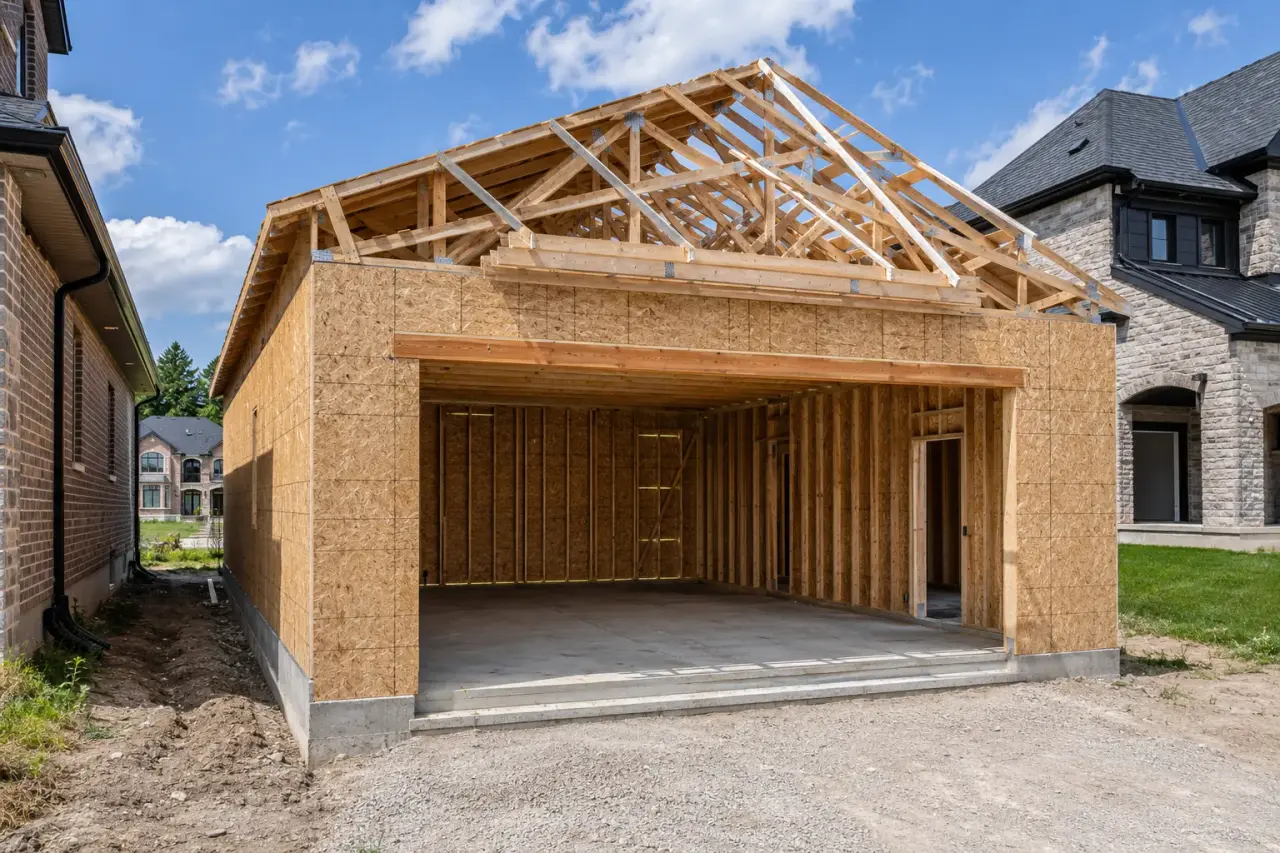
Framing quotes come in two broad forms, and mixing them up is how people misjudge price:
- Labour only: the framer supplies the crew and installs framing that someone else, often the GC or homeowner, has supplied and delivered to site. The quote is just the framing labour.
- Labour and material (supply and install): the framer supplies the lumber, engineered products, sheathing, fasteners, and hardware, and installs it all. The quote is a complete framing package.
Neither is wrong, but they are not comparable. A labour-only quote will always look far cheaper than a supply-and-install quote for the same building, because it excludes tens of thousands of dollars of material. Before you compare two numbers, confirm whether each includes material. On a custom home framing build, we make this explicit in every quote.
What Framing Usually Excludes
Just as important is what is normally not in a framing quote. These items are typically handled by other trades or covered in separate scopes:
- Finish carpentry: trim, casing, interior doors, stair finishes, and built-ins.
- Windows and doors (supply and install): the framer builds the rough openings; the units are usually supplied and installed by others.
- Mechanicals: plumbing, electrical, and HVAC rough-in, though framers coordinate space for them.
- Insulation, drywall, and finishes.
- Foundation and concrete: poured before framing by a foundation contractor.
- Engineering and permit drawings: the stamped structural design is usually a separate professional cost, though framers build to it.
- Crane, equipment, or disposal, unless specifically listed.
A quote that is silent on these is not necessarily including them. If it matters to your budget, it should be named in the scope.
How to Compare Framing Quotes Fairly
To compare bids apples to apples, get each contractor to answer the same questions in writing:
- Is this labour only, or supply and install? The single biggest price driver.
- What exactly is framed? Floors, walls, roof, sheathing, beams, stairs, and openings, each named.
- What is excluded? So you know what still needs a budget line.
- Who supplies engineered materials and hardware? Beams, joists, connectors.
- Are permits, engineering, and inspections included or by others?
- What is the payment schedule and what triggers each stage?
A framer who writes clear scope is easy to compare and usually easy to work with. A vague one-line quote is a red flag, not a bargain. Our guide on how to choose a framing contractor goes deeper on vetting, licensing, WSIB, and insurance.
Why Clear Scope Protects You
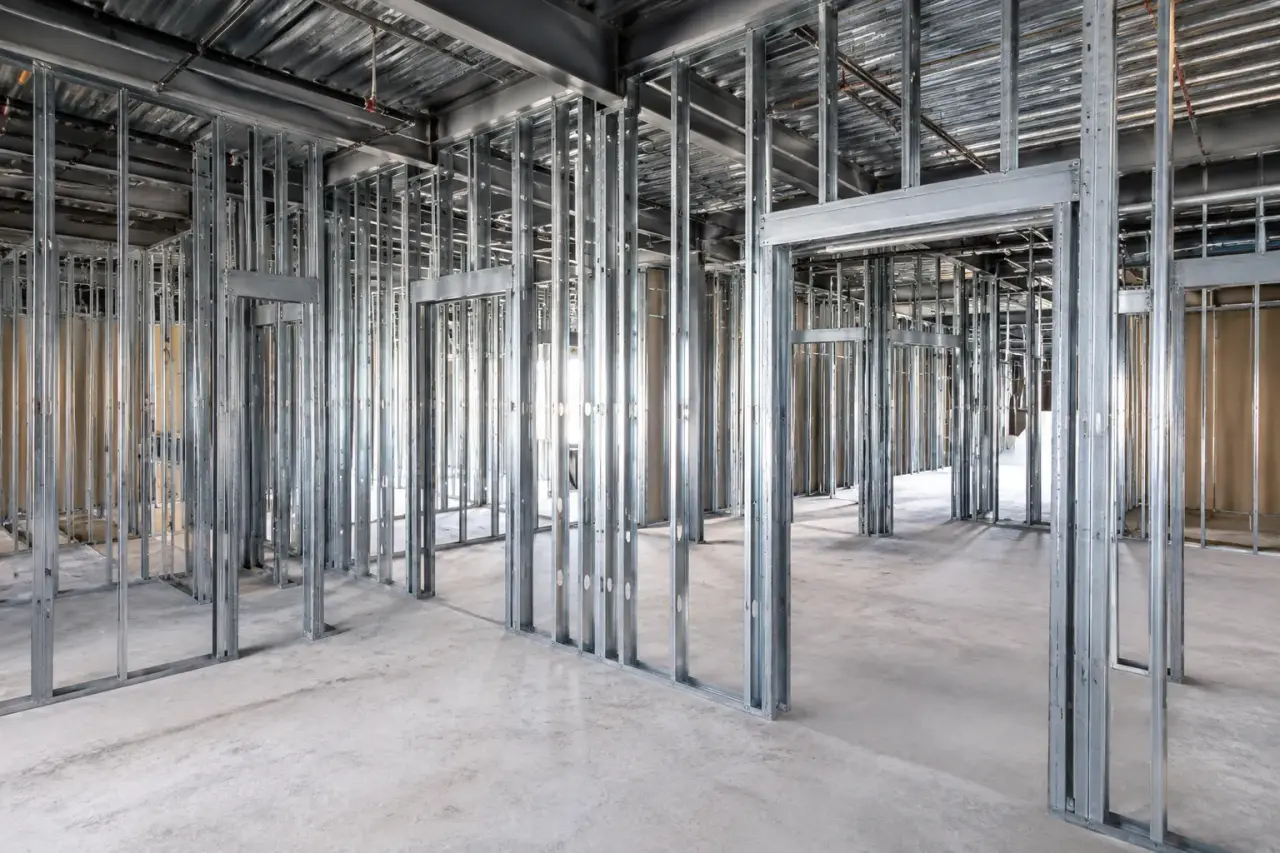
Vague scope is where disputes come from. When the sheathing is missing from the quote, someone eats the cost mid-project, and that argument sours the whole job. When material supply is ambiguous, the schedule stalls while everyone works out who is buying the lumber. Clear scope up front means the price you agree to is the price for the work you expect, no surprises when the framing is half up. That is true whether you are a homeowner doing one build or a GC running many.
Frequently Asked Questions
Does a framer install windows and doors? Usually no. A framer builds the rough openings, correctly sized headers, jack and king studs, and sill, so the finished window and door units fit. The units themselves are typically supplied and installed by others, though scope can be arranged either way if agreed in writing.
Is finish carpentry included in framing? No. Framing is rough structural carpentry, the hidden skeleton of the building. Finish carpentry, trim, casing, interior doors, stair finishes, and built-ins, is a separate trade and a separate quote, done near the end of the project.
Does a framing quote include the lumber? It depends on whether the quote is labour only or supply and install. A labour-only quote covers just the crew installing material supplied by others; a supply-and-install quote includes the lumber, engineered products, sheathing, and hardware. Always confirm which before comparing prices.
Why is one framing quote so much cheaper than another? The most common reason is scope. A cheaper quote is often labour only, or excludes sheathing, beams, or material supply that a fuller quote includes. Get each quote’s inclusions and exclusions in writing before comparing, because a lower number for less work is not actually cheaper.
Get a Framing Quote With Scope You Can Trust
The right framing quote tells you exactly what you are getting and what you are not, so you can budget and compare with confidence. If you are planning a build, addition, or renovation anywhere in the GTA or the Golden Horseshoe, Timberr Framing will give you a clear, itemized framing scope built to plan and the Ontario Building Code. We are licensed, insured, and WSIB-covered. Reach out through our contact page to talk through your project and get a quote.